Penny and the True Price
In a campaign, Penny is charging the true price for nine foods for one week. What do we think of it?

At the beginning of August, the discounter Penny made headlines in Germany: for one week, the price of nine items was adjusted to include the costs of environmental damage incurred during production. The news went through the press and even made it into the Tagesschau.
As a result, Maasdam cheese became almost twice as expensive (+94%) and Viennese sausages also cost significantly more (+88%), while the vegan schnitzel was only slightly more expensive than before (+5%). Penny wants to donate the proceeds to the Zukunftsbauern (Future Farmers) initiative. To calculate the environmental follow-up costs, Penny had worked together with researchers from the TH Nuremberg and the University of Greifswald.
We think:
- Of course, the campaign is symbolic and aims for publicity, not for a permanent change: it is about nine out of more than 3000 articles and it is about a single week in August.
- But: From our point of view, the campaign shows very well that there is a systemic problem, because the price usually does not reflect the true environmental follow-up costs of the food. Raising awareness in this area - even through a symbolic action - is therefore good and right.
- If Penny advertises discounts for fruit yogurt and chicken schnitzel on the same page of the brochure, you may find that unfortunate. At the same time, however, it also shows the economic constraints Penny is in: of course, the discounter did not become an eco-saint overnight.
- But: Creating public awareness is also a building block for solving this systemic problem. The fact that the prices reflect the true costs is a political question and not the responsibility of Penny or of individual consumers who buy these products. There are already proposals for this, for example from Greenpeace, who are demanding a higher VAT on animal products and at the same time a complete abolition of VAT for fruit and vegetables (source).
- Overall, we find Penny’s step courageous, especially in the heated political debate, where the protests of the “Last Generation” are criticized and criminalized.
- The campaign is only a first step and the real success lies in systematically reflecting the environmental follow-up costs of our diet and our consumption decisions in the price - not as a one-off voluntary action by a retailer, but permanently, mandatory and nationwide. And that can only be done through laws and political decisions.
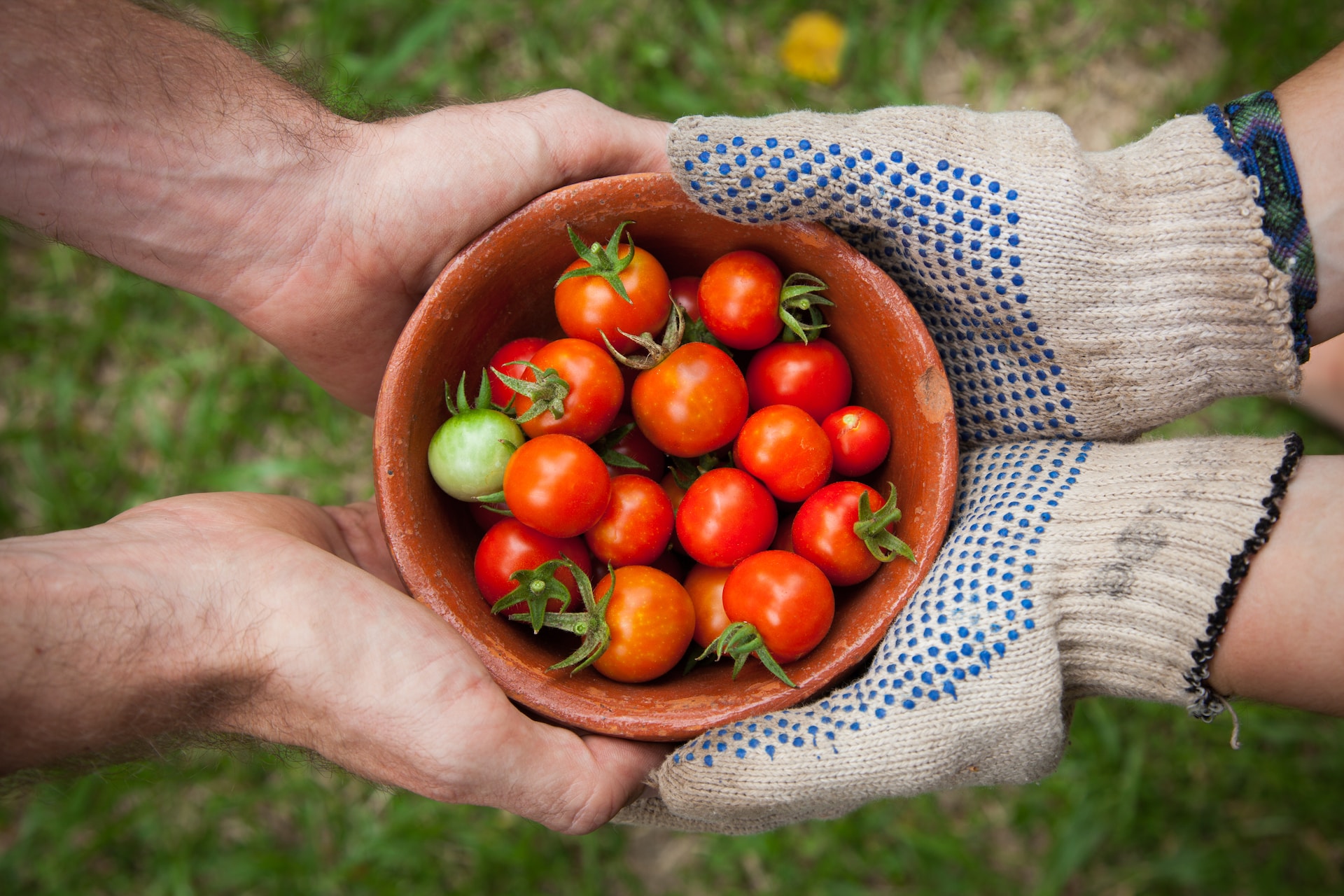 The true price should not be a one-off and voluntary action, but a permanent, nationwide and mandatory change. Photo by Elaine Casap
By the way: shortly after Penny’s announcement, there was a survey by the market research institute YouGov, which asked consumers whether they plan to support the Penny campaign by buying products (result at YouGov). The media often quoted the figure that “only 16%” of those surveyed plan to do so. But:
- If actually 16% of consumers in Germany were to buy such a product, that would be a huge success and we would be talking about more than twelve million people! Why this is “only a few consumers” for the FAZ, for example, or “only 16%” for the MDR, we do not understand (FAZ, MDR).
- The 16% disregard the fact that 30% of those surveyed by YouGov stated that they do not live near a Penny branch. So these respondents did not say at all whether they support this campaign or not. If you exclude these 30% of the respondents, then around 23% of the respondents state that they want to support the campaign by buying products (among those who live in the vicinity of a Penny branch).
- The support is very strongly dependent on the age of the respondents: among people between 18 and 24 years of age, the “yes” and “no” shares are almost equally distributed, while the campaign actually enjoys hardly any support, especially among respondents aged 55+.
The following figure shows the shares if you exclude the answers of those who do not live near a Penny branch: