Quick Ricotta and Lemon Pasta (One Pot Pasta)
Probably the easiest and quickest pasta in the world - with a light, velvety ricotta sauce and fresh lemons.
Recipe Categories:
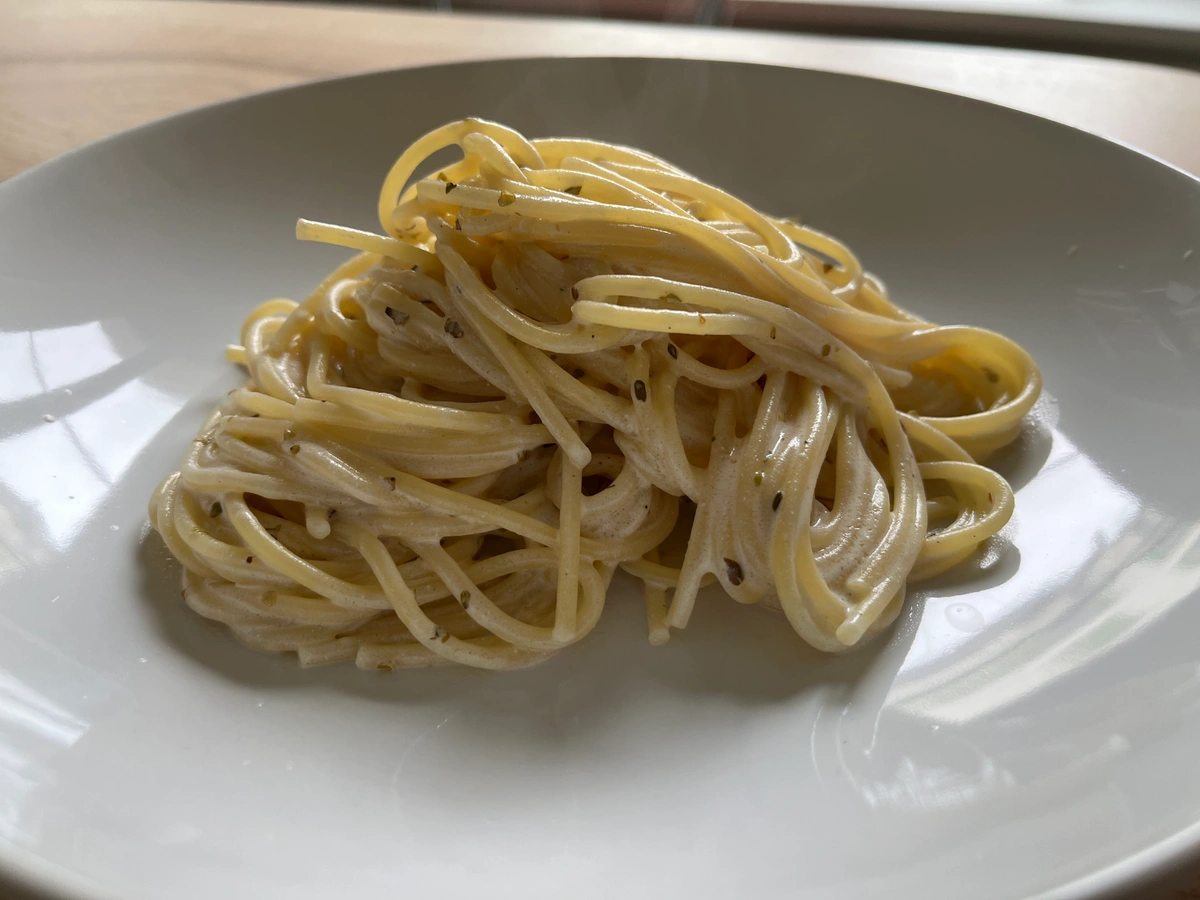
This is probably the quickest pasta recipe in the world: once the pasta is cooked, it only takes a minute to mix the pasta and sauce and you have an incredibly easy and delicious serving on the table.
The ricotta adds a pleasantly smooth creaminess, and the starch from the pasta water makes for a quick sauce. The lemon also makes the dish light and fresh. If you like it a little more intense, you can add fresh basil at the end of the dish or mix in an ingredient with a more intense acidity, such as capers. The sauce is based on a recipe from Delish.
A great pasta for when time is of the essence!
Related Recipes

Pasta with Savoy Cabbage-Lemon Cream Sauce
A very simple and very tasty pasta sauce

Ottolenghi's Orecchiette One Pot Pasta with Broccoli and Herbs
A simple one-pot pasta from Yotam Ottolenghi with broccoli, fresh herbs and rocket.

Ottolenghi's Pasta alla Norma
A classic Sicilian tomato-based sauce with baked aubergines and fresh herbs - so simple and yet so close to perfection.
Recipe
On the table in ten minutes: ricotta lemon pasta with a creamy sauce.
Ingredients
Preparation Time: 0 min
Total Time: 12 min
Servings: 2
- • 250 g bucatini or spaghetti
- • 150 g ricotta
- • 3 tablespoons olive oil
- • 40 g Parmesan or Pecorino Romano
- • 1 organic lemon
- • 1 pinch of salt
- • 1 pinch of pepper
Ingredients
Servings: 2
Preparation Time: 0 min
Total Time: 12 min
- • 250 g bucatini or spaghetti
- • 150 g ricotta
- • 3 tablespoons olive oil
- • 40 g Parmesan or Pecorino Romano
- • 1 organic lemon
- • 1 pinch of salt
- • 1 pinch of pepper
Instructions
- 1 Cook the pasta in a large saucepan according to package directions. After the first boil, reserve a little pasta water (about 1-2 ladles of soup) and add it to the bowl with the sauce (see below).
- 2 Grate the Parmesan or Pecorino Romano cheese. Wash the lemon, grate the zest with a zester or a fine grater (without the bitter white flesh) and squeeze the juice.
- 3 While the pasta is cooking, mix the ricotta, oil, grated hard cheese, lemon zest and juice, salt and pepper in a bowl. Stir in a little pasta water and mix again, adding more water if the sauce is too thick.
- 4 When the pasta is al dente, drain and return to the empty saucepan. Place the saucepan on the hot stove with the lid off. Add the sauce and stir with a fork until the pasta and sauce are well combined - then serve.
Carbon Footprint
Carbon Footprint: 2608 g CO₂e
This ranks it number 50 out of 59 recipes published on the blog so far in terms of estimated carbon footprint.
Overall, it is one of the 20% of recipes with the highest climate impact - at least 80% of recipes cause fewer emissions than this dish. 😞
Of course, this is mainly due to the cheese: more than 80% of the carbon comes from ricotta and parmesan, even though they only make up about a third of the weight of the ingredients. The pasta, on the other hand, represents more than 40% of the weight of the ingredients, but less than 10% of the emissions generated by cooking this recipe.
Comparison of Ingredients
| Ingredients | Carbon footprint per kg | Carbon footprint for recipe | % of ingredients | % of CO₂ emissions |
|---|---|---|---|---|
| Bucatini | 0.7 | 175 | 45% | 7% |
| Ricotta | 12.3 | 1841 | 27% | 71% |
| Olive oil | 3.2 | 96 | 5% | 4% |
| Parmesan | 6.3 | 252 | 7% | 10% |
| Lemon | 1.9 | 162 | 15% | 6% |
| Salt | 0.7 | 1 | 0% | 0% |
| Pepper | 1.2 | 1 | 0% | 0% |
| Cook pasta | 81 | 3% |
Linked ingredients lead to every measurement of that food in our carbon footprint database. Values there come from several sources and can differ from the figure used for this recipe.
Instructions
- 1 Cook the pasta in a large saucepan according to package directions. After the first boil, reserve a little pasta water (about 1-2 ladles of soup) and add it to the bowl with the sauce (see below).
- 2 Grate the Parmesan or Pecorino Romano cheese. Wash the lemon, grate the zest with a zester or a fine grater (without the bitter white flesh) and squeeze the juice.
- 3 While the pasta is cooking, mix the ricotta, oil, grated hard cheese, lemon zest and juice, salt and pepper in a bowl. Stir in a little pasta water and mix again, adding more water if the sauce is too thick.
- 4 When the pasta is al dente, drain and return to the empty saucepan. Place the saucepan on the hot stove with the lid off. Add the sauce and stir with a fork until the pasta and sauce are well combined - then serve.
Carbon Footprint
Carbon Footprint (2 portions): 2608 g CO₂e
This ranks it number 50 out of 59 recipes published on the blog so far in terms of estimated carbon footprint.
Overall, it is one of the 20% of recipes with the highest climate impact - at least 80% of recipes cause fewer emissions than this dish. 😞
Of course, this is mainly due to the cheese: more than 80% of the carbon comes from ricotta and parmesan, even though they only make up about a third of the weight of the ingredients. The pasta, on the other hand, represents more than 40% of the weight of the ingredients, but less than 10% of the emissions generated by cooking this recipe.
Comparison of Ingredients
| Ingredients | Carbon footprint per kg | Carbon footprint for recipe | % of ingredients | % of CO₂ emissions |
|---|---|---|---|---|
| Bucatini | 0.7 | 175 | 45% | 7% |
| Ricotta | 12.3 | 1841 | 27% | 71% |
| Olive oil | 3.2 | 96 | 5% | 4% |
| Parmesan | 6.3 | 252 | 7% | 10% |
| Lemon | 1.9 | 162 | 15% | 6% |
| Salt | 0.7 | 1 | 0% | 0% |
| Pepper | 1.2 | 1 | 0% | 0% |
| Cook pasta | 81 | 3% |
Linked ingredients lead to every measurement of that food in our carbon footprint database. Values there come from several sources and can differ from the figure used for this recipe.